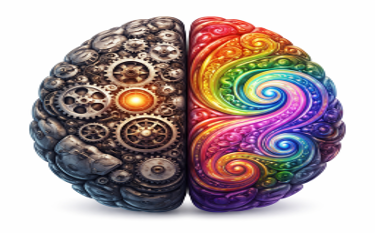
Five practical ways to look after yourself when the temperature rises If you’ve ever found yourself saying, “My pain always seems worse when it’s hot,” you’re certainly not alone. Every summer I hear the same question from people living with chronic or persistent pain: “Is it just me, or does the heat make everything harder?”…




Brain Fog and Chronic Pain: When Your Mind Feels as Heavy as Your Body
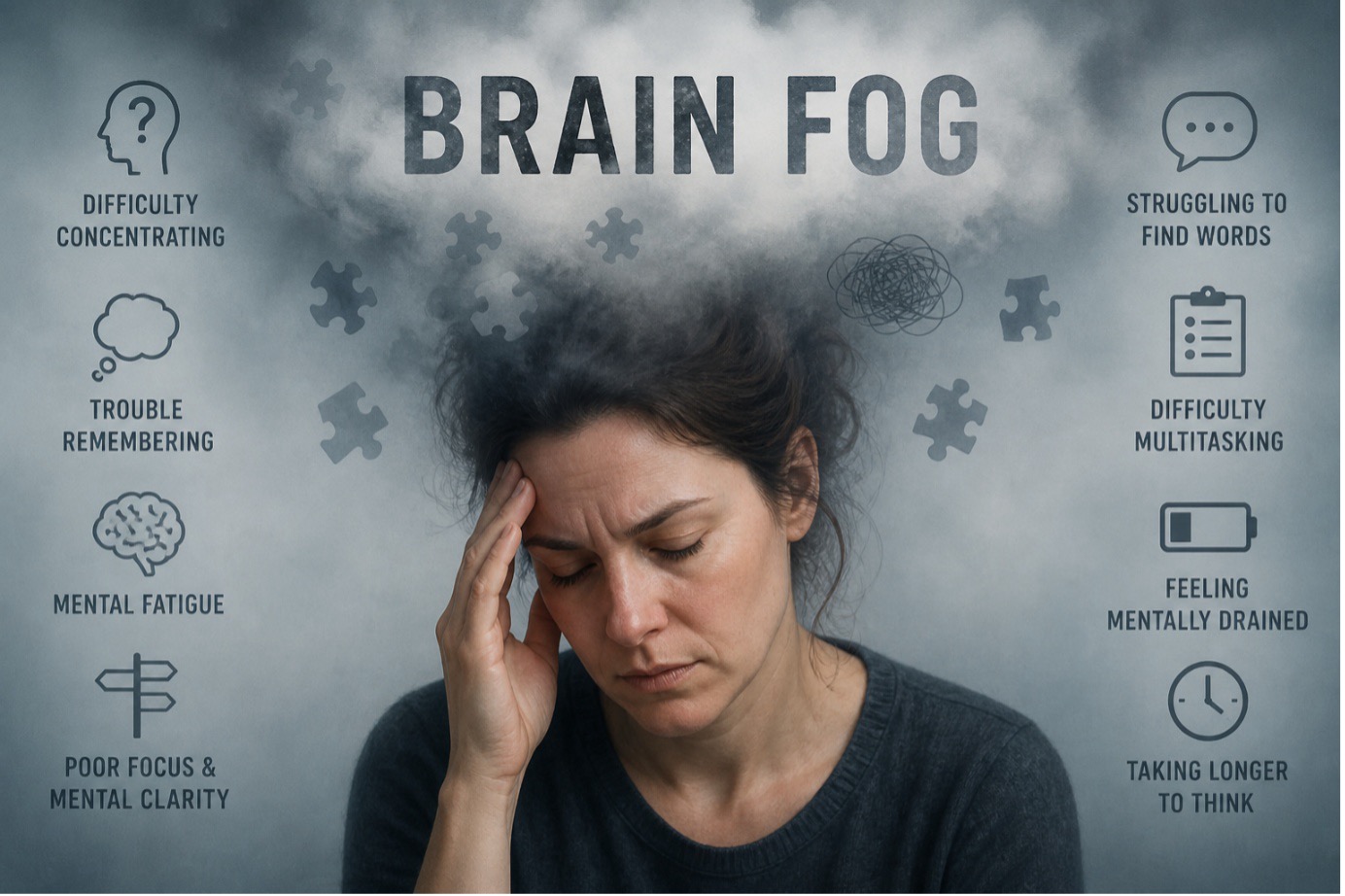
If you live with chronic pain, you may recognise this experience: you walk into a room and forget why you are there, lose track of conversations halfway through, or find that words sit just out of reach, like books on a high shelf. You may feel slow, unfocused, and mentally exhausted. Many people describe this…
The Influence Of Early Life Experiences On Hypnotic Responsiveness
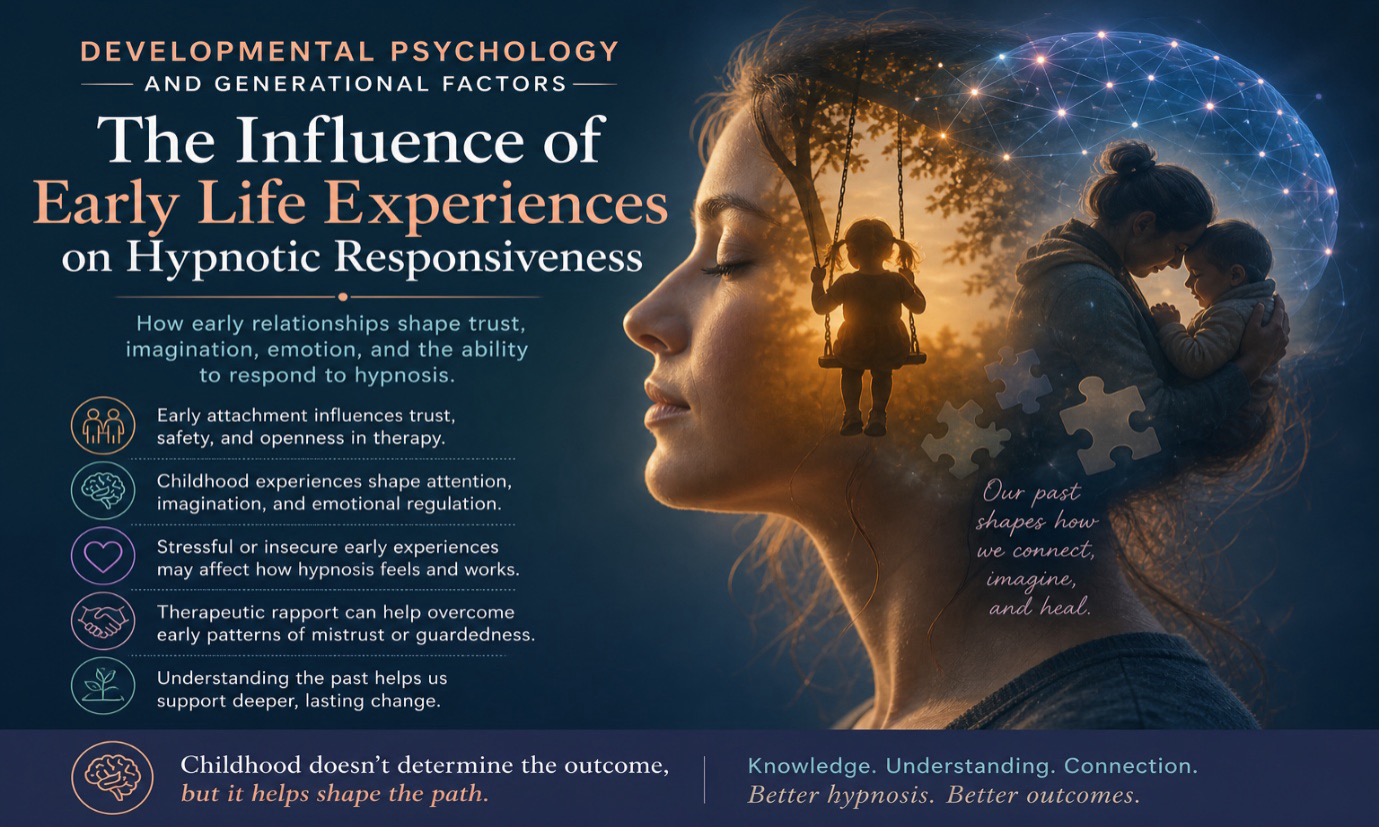
Developmental Psychology and Generational Factors The influence of early life experiences on hypnotic responsiveness In this new series we will look at how age impacts on hypnotherapy and its success. This time, we will look at how early life experiences can shape hypnotic responsiveness. Research suggests that attachment patterns formed through early relationships with parents…
When Pain Becomes Who You Are: Reclaiming Identity in Chronic Pain

There is a quiet, insidious shift that happens for many people living with chronic pain. It does not arrive with a clear beginning, nor does it announce itself as a problem to be solved. Instead, it creeps in through language, through habit, and through the subtle reorganisation of a life once lived very differently. “I…
Dreading the Dentist? How Chronic Pain Amplifies Fear (and What Actually Helps)
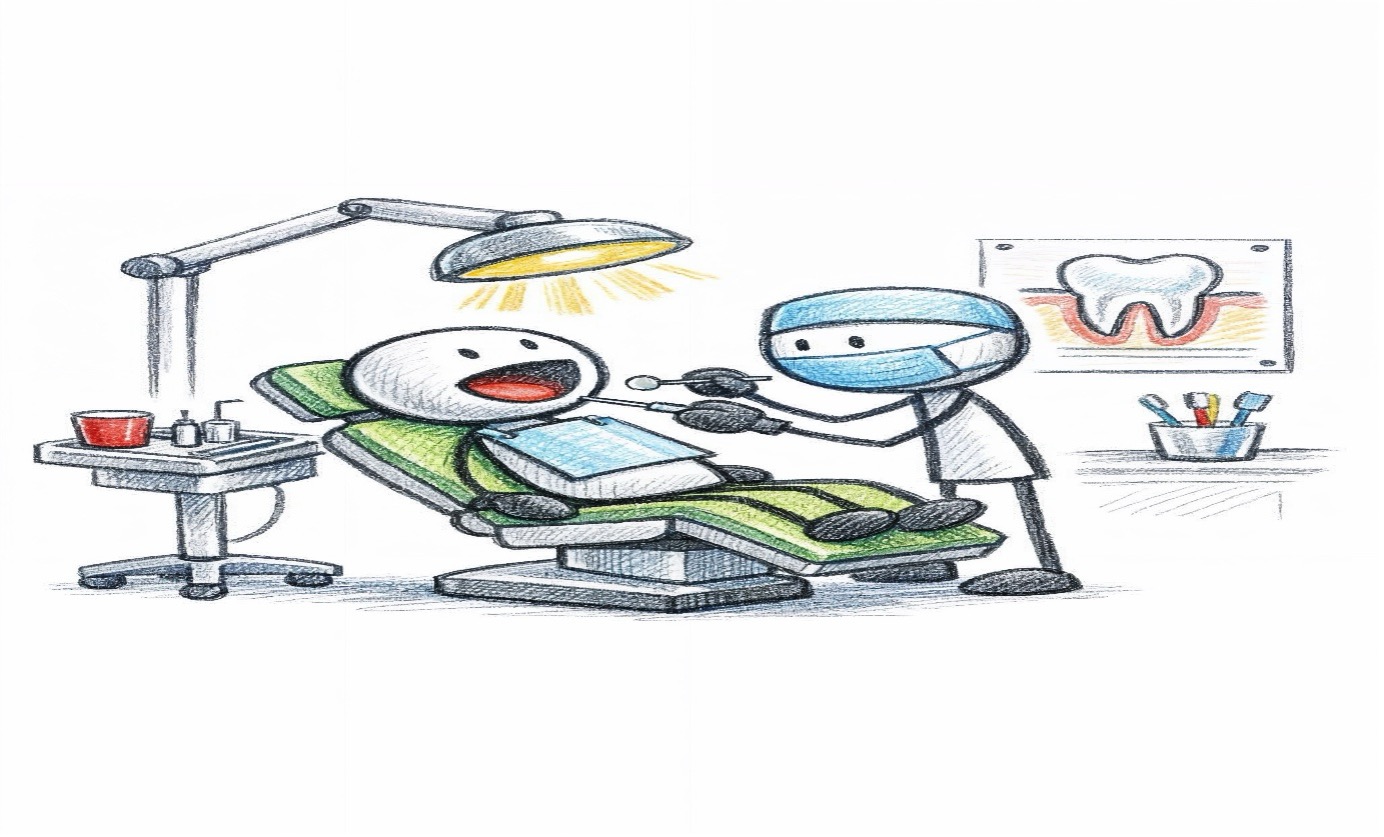
As I was people watching in the dentist waiting room a few weeks ago, it struck me that there is something quietly unsettling about the dental chair. It isn’t just the position – reclined, exposed, unable to speak – or the bright light that can feel more like interrogation than healthcare. It’s the experience of…
Using Insights From Neuroscience To Enhance Hypnotic Techniques
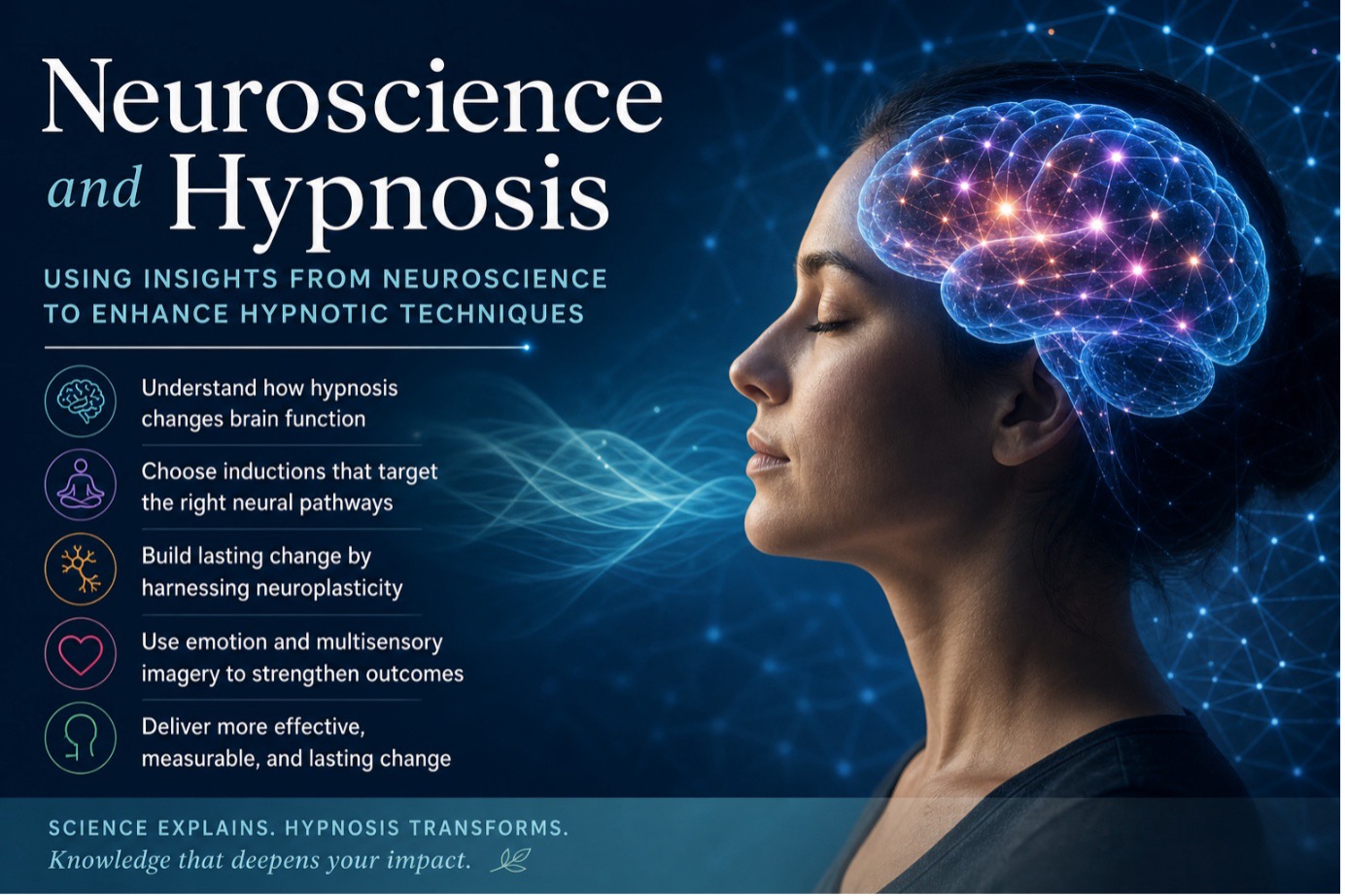
Neuroscience and Hypnosis Using insights from neuroscience to enhance hypnotic techniques In recent years, the partnership between neuroscience and hypnosis has evolved into a powerful way to explore how attention, imagination, and suggestion shape perception and behaviour. New discoveries about brain networks, learning, and emotion are refining how clinicians and practitioners use hypnosis. Neuroscience has…
Why Stress Makes Pain Worse — and What Psychology Can Do About It
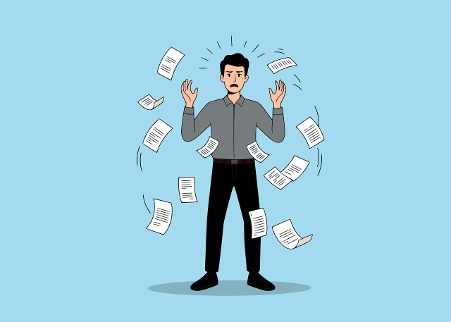
Stress and pain share a complicated relationship—each can quietly fuel the other until they become tangled, leaving people feeling exhausted, overwhelmed, and trapped in their own body. Many people living with chronic pain tell me, “I know stress makes my pain worse, but I don’t understand why.” Understanding why gives people back a sense of…
Neuroscience, Neuroplasticity and Hypnosis

Rhythm and Relief: How Music Helps with Pain — And How It Can Help You Too
On Sunday 12th April 2026, I will be running the London Landmarks Half Marathon. As I come to the end of my training, it has given me plenty of time to think about fatigue, discomfort, motivation — and the ways we can influence how our brains interpret all three. One thing has become unmistakably clear…
Neuroscience and Hypnosis