




On Sunday 12th April 2026, I will be running the London Landmarks Half Marathon. As I come to the end of my training, it has given me plenty of time to think about fatigue, discomfort, motivation — and the ways we can influence how our brains interpret all three.
One thing has become unmistakably clear to me:
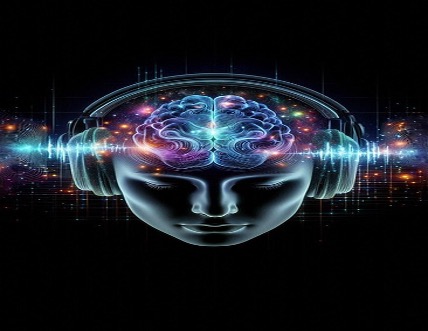
Music is much more than background noise.
It’s a tool.
A regulator.
A companion.
And, for many people living with persistent pain, a genuinely helpful pain-management strategy.
Below, I’ll share not just the “why,” but the practical how — simple ways you can use music to support your nervous system, reduce distress, and make movement feel more manageable.
When the Music Kicks In — And The Whole Run Changes
On a recent long training run, I found myself slowing down. Everything felt heavier — legs, breathing, mood. Then one familiar song came on, and something remarkable happened: My stride loosened, my focus sharpened, and I found a rhythm I couldn’t access moments before. This wasn’t willpower.
It was neuroscience in action. And it’s the same mechanism that helps people with persistent pain.
WHY MUSIC HELPS — AND HOW TO USE IT
Below are the five most practical ways music supports people living with pain — plus specific examples to help you try them yourself.
1️⃣ Music Shifts Attention Away From Pain
Pain competes for attention. Music helps balance the competition.
When your brain is occupied by rhythm, melody or lyrics, it has less cognitive space to focus on discomfort.
Try this:
- Use upbeat tracks while walking or doing gentle stretches.
- Choose songs with a strong beat for tasks that usually flare your pain.
- During a flare-up, choose music with steady, predictable melodies to soften focus on pain signals.
Real-life example:
A person with fibromyalgia uses a soft instrumental playlist each morning. Instead of noticing every ache, they focus on the rhythm — helping them get moving more easily.
2️⃣ Music Reduces Perceived Intensity of Pain
Music can change how the brain interprets sensation, reducing the “volume” of pain.
It doesn’t remove the cause, but it can make sensations feel:
- Less threatening
- Less intense
- Easier to tolerate
This is the same reason certain songs help me push through difficult miles during training.
Try this:
- Match calming music to slow your breathing when pain spikes.
- Use emotionally uplifting songs when pain feels demotivating or overwhelming.
Real-life example:
Someone with osteoarthritis listens to nostalgic songs while walking. The emotional comfort reduces perceived effort and allows them to walk further.
3️⃣ Music Regulates Breathing and Muscle Tension
I always talk about this in my pain psychology clinics both online and in person in Milton Keynes, as my clients will testify!
Pain increases guarding — muscles tighten, breathing becomes shallow.
Music, especially slower tempos, naturally regulates both:
- Muscles soften
- Breathing slows
- The nervous system shifts into “rest and restore” mode
Try this:
- Use calming tracks during movement breaks in your day.
- Pair music with paced breathing: inhale for 4 counts, exhale for 6.
Real-life example:
During a pain spike, someone listens to soft piano music. Their breathing slows, tension drops — and the pain feels less consuming.
4️⃣ Music Improves Mood — Which Directly Reduces Pain
Pain is worsened by:
- Fear
- Stress
- Frustration
- Low mood
Music is one of the fastest ways to shift emotional state.
Try this:
- Use “comfort music” when pain affects your mood.
- Choose meaningful songs that connect you to identity, memories, or people you care about.
- Use uplifting music when you need energy or motivation.
Real-life example:
Someone with chronic pelvic pain uses a playlist of favourite upbeat songs to help them get out of the house on difficult days.
5️⃣ Music Creates Predictability — And the Nervous System Loves Predictability
My half marathon playlist has become a psychological map:
- Certain tracks mean the warm-up is ending
- Others help me up hills
- A few tell me I’m nearly home
This feels safe, steady, and grounding.
People living with pain benefit from the same structure.
Try this:
Create 3 simple playlists:
- Morning movement playlist (gentle start to the day)
- Activity playlist (for walking, pacing, stretching, housework)
- Calming playlist (for flare-ups or evenings)
Real-life example:
A person with chronic lower back pain uses the same calming playlist during flare-ups. Their body associates it with safety, helping the nervous system settle more quickly.
Five Practical Playlists for Pain Relief
Here’s a simple template you can personalise:
-
Calming Playlist
For flares, anxiety, tension
→ Soft piano, ambient guitar, slow film scores
-
Motivational Playlist
For gentle movement or activity
→ Upbeat pop, dance, steady-tempo rock, energising classical
-
Comfort Playlist
For emotional support
→ Familiar, meaningful songs tied to positive memories
-
Focus Playlist
For working through pain-related fog
→ Instrumental, binaural beats, soft electronic
-
Wind-Down Playlist
For evenings or sleep
→ Slow, repetitive, predictable pieces; nature sounds
What My Half Marathon Training Has Reminded Me
Training for the London Landmarks Half Marathon has reinforced something I’ve seen clinically again and again:
The nervous system is responsive.
Adaptable.
Trainable.
And music is a beautifully simple way to support it.
Music won’t remove pain.
But it will help:
- Reduce distress
- Soften intensity
- Support movement
- Calm the system
- Offer comfort
Often, that shift is enough to change the day.
I would love you to send me your suggestions that I can add to my playlist to keep me going during the half marathon.