It is something I hear frequently from people living with chronic pain. “My pain is definitely worse when I’m stressed.” Or: “If I haven’t slept properly, I know the…




Archives
Why Does My Pain Still Hurt When Nobody Can Find What’s Wrong?

One of the most upsetting things you can hear when you are living with persistent pain is: “We can’t find anything wrong.” For some people, those words come after…
Why Does My Pain Feel Worse in Hot Weather?

Five practical ways to look after yourself when the temperature rises If you’ve ever found yourself saying, “My pain always seems worse when it’s hot,” you’re certainly not alone. Every summer I hear the same question from people living with chronic or persistent pain: “Is it just me, or does the heat make everything harder?” The answer is that for many people, hot weather really can make living with pain feel more challenging. It doesn’t necessarily mean your condition has worsened or that more damage is happening. Instead, your body is working much harder to keep itself cool, and that can influence your pain, energy, sleep and overall wellbeing. The good news is that there are several simple strategies that can make a real difference….
Brain Fog and Chronic Pain: When Your Mind Feels as Heavy as Your Body
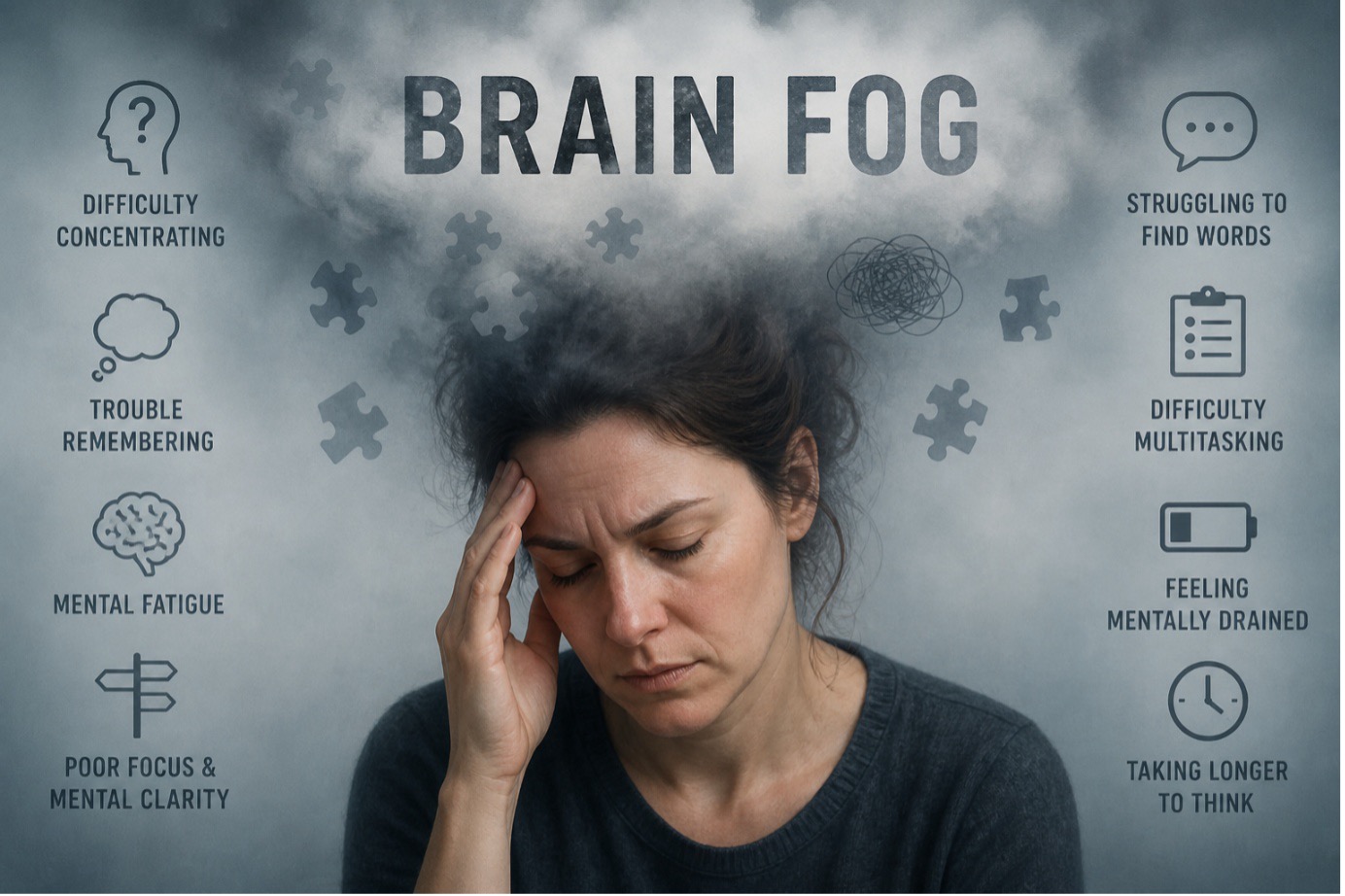
If you live with chronic pain, you may recognise this experience: you walk into a room and forget why you are there, lose track of conversations halfway through, or find that words sit just out of reach, like books on a high shelf. You may feel slow, unfocused, and mentally exhausted. Many people describe this simply as “brain fog.” It is frustrating, and at times it can feel worrying. Perhaps most unhelpfully, it can feel like a personal failing. It is not. Brain fog is not a sign that you are lazy, unintelligent, or “losing it.” In many cases, it is a predictable and understandable consequence of living with persistent pain. Pain is not just a physical sensation; it is an experience constructed and managed…
The Influence Of Early Life Experiences On Hypnotic Responsiveness
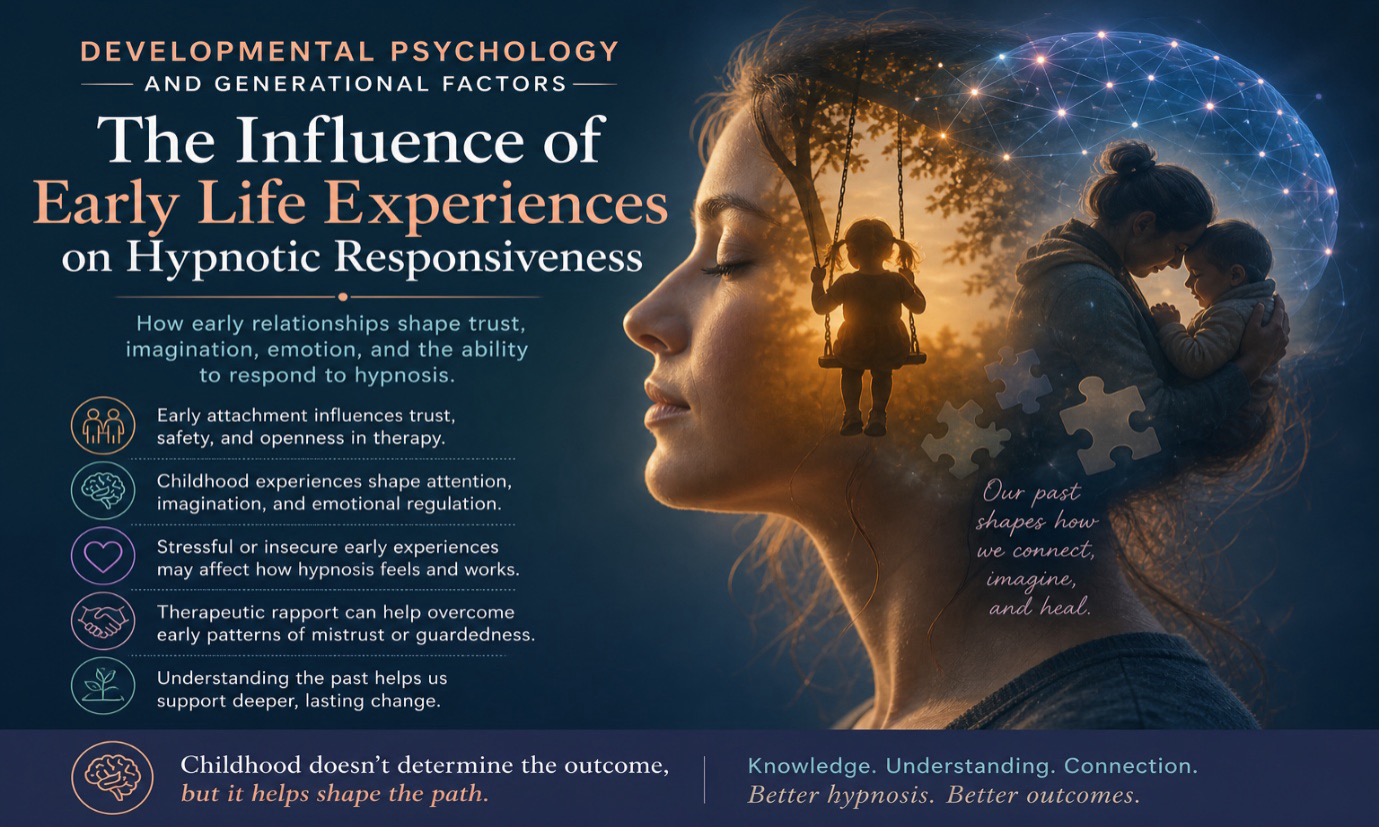
Developmental Psychology and Generational Factors The influence of early life experiences on hypnotic responsiveness In this new series we will look at how age impacts on hypnotherapy and its success. This time, we will look at how early life experiences can shape hypnotic responsiveness. Research suggests that attachment patterns formed through early relationships with parents or other caregivers may affect how easily a person settles into hypnosis and how intensely they experience it. This field is still developing, and most studies are correlational rather than experimental. That means researchers can identify associations, but they cannot say with certainty that early experiences directly caused the hypnotic pattern observed. Also, hypnotic responsiveness is shaped by many influences besides childhood, including temperament, beliefs about hypnosis, attention control, and…
When Pain Becomes Who You Are: Reclaiming Identity in Chronic Pain

There is a quiet, insidious shift that happens for many people living with chronic pain. It does not arrive with a clear beginning, nor does it announce itself as a problem to be solved. Instead, it creeps in through language, through habit, and through the subtle reorganisation of a life once lived very differently. “I have back pain” gradually becomes “I am a chronic pain patient.” What begins as “I can’t do that today” evolves into “I’m not someone who does that anymore.” Somewhere within that shift, pain stops being something you experience and starts becoming something you are. This is not a failure of resilience, nor is it a lack of motivation. It is, in many ways, an entirely understandable psychological adaptation to persistent…
Dreading the Dentist? How Chronic Pain Amplifies Fear (and What Actually Helps)
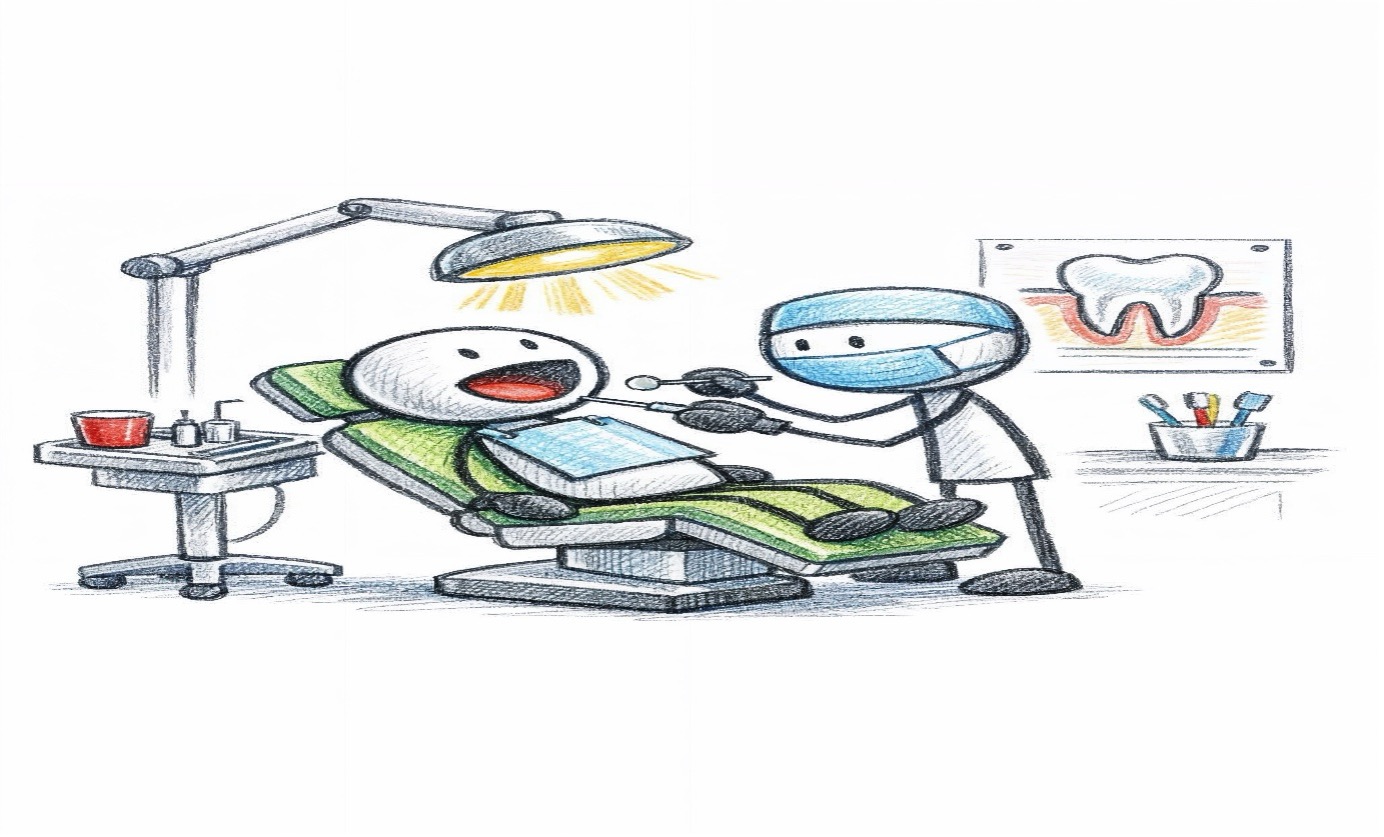
As I was people watching in the dentist waiting room a few weeks ago, it struck me that there is something quietly unsettling about the dental chair. It isn’t just the position – reclined, exposed, unable to speak – or the bright light that can feel more like interrogation than healthcare. It’s the experience of having to remain still while something is being done to you. For many people, that creates a sense of vulnerability. If you live with chronic pain, that feeling can be amplified. This isn’t just about teeth. It’s about how your nervous system interprets the experience. Very few people actively enjoy going to the dentist. Even those who cope well with other physical or emotional challenges often notice a shift the…
Using Insights From Neuroscience To Enhance Hypnotic Techniques
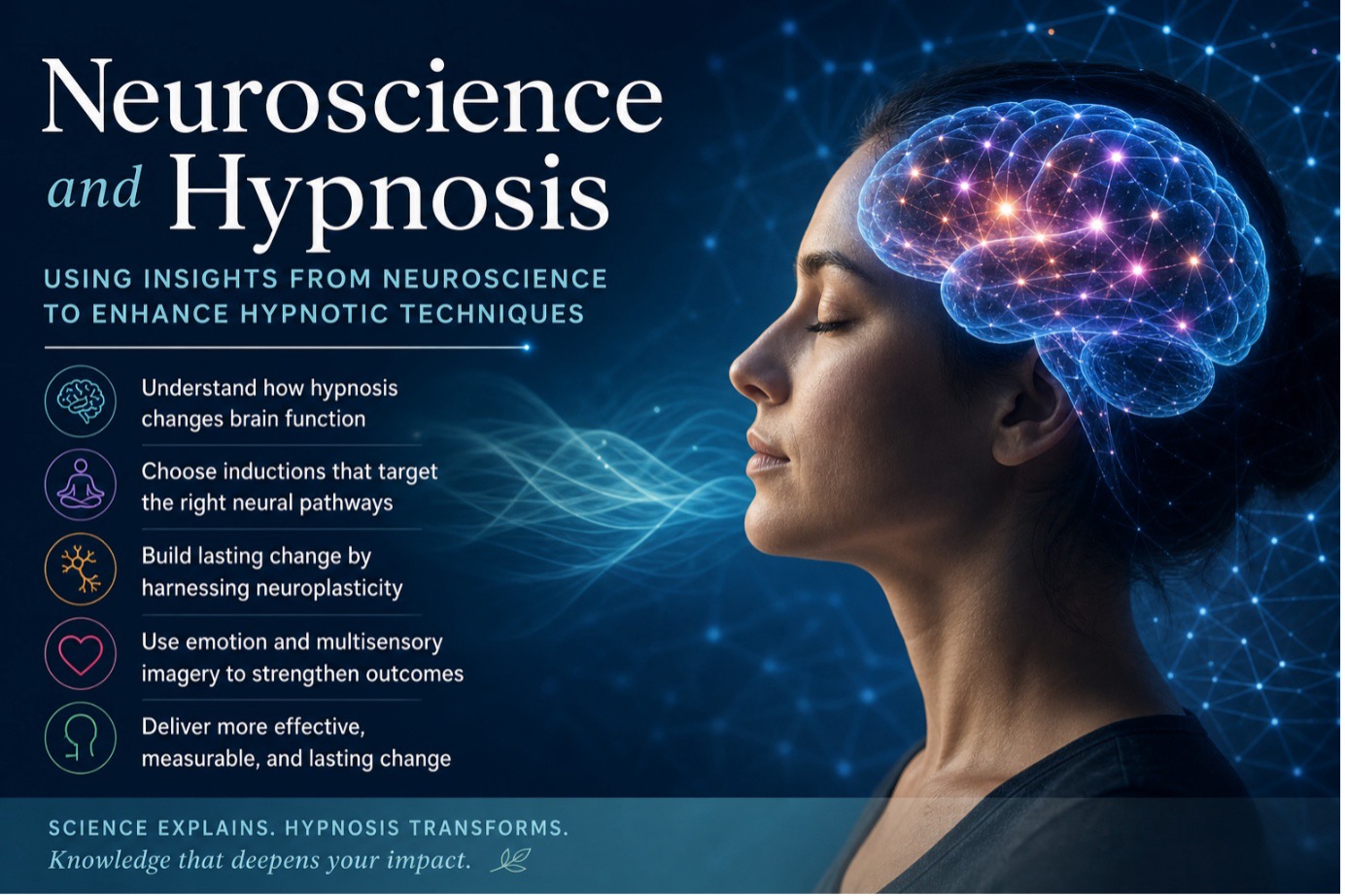
Neuroscience and Hypnosis Using insights from neuroscience to enhance hypnotic techniques In recent years, the partnership between neuroscience and hypnosis has evolved into a powerful way to explore how attention, imagination, and suggestion shape perception and behaviour. New discoveries about brain networks, learning, and emotion are refining how clinicians and practitioners use hypnosis. Neuroscience has now confirmed that professional and directed hypnosis creates measurable, reversible shifts in brain function. The more we understand about this process, the more we can focus on using the patterns of connectivity we discover as a powerful tool for change. Here is an example. Functional MRI and EEG studies show that during hypnosis, the brain networks involved in self‑monitoring, sensory processing, and emotional regulation behave differently. The mode associated with…
Why Stress Makes Pain Worse — and What Psychology Can Do About It
Stress and pain share a complicated relationship—each can quietly fuel the other until they become tangled, leaving people feeling exhausted, overwhelmed, and trapped in their own body. Many people living with chronic pain tell me, “I know stress makes my pain worse, but I don’t understand why.” Understanding why gives people back a sense of control. It helps them step out of the cycle rather than feeling pulled along by it. Let’s explore what’s really happening. The Threat System: Your Body’s Smoke Alarm When the brain senses danger—physical or emotional—it activates the threat system. Heart rate increases. Muscles tighten. Breathing shifts. Hormones like cortisol and adrenaline surge. This is the body doing exactly what it was designed to do: protect you. But chronic pain means…
Neuroscience, Neuroplasticity and Hypnosis