




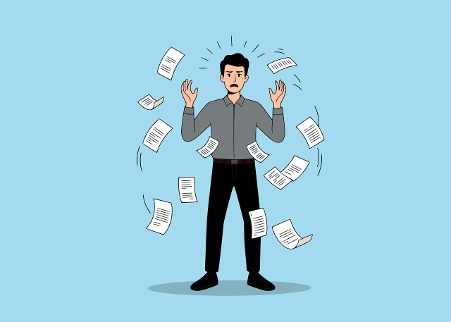
Stress and pain share a complicated relationship—each can quietly fuel the other until they become tangled, leaving people feeling exhausted, overwhelmed, and trapped in their own body. Many people living with chronic pain tell me, “I know stress makes my pain worse, but I don’t understand why.”
Understanding why gives people back a sense of control. It helps them step out of the cycle rather than feeling pulled along by it.
Let’s explore what’s really happening.
The Threat System: Your Body’s Smoke Alarm
When the brain senses danger—physical or emotional—it activates the threat system. Heart rate increases. Muscles tighten. Breathing shifts. Hormones like cortisol and adrenaline surge.
This is the body doing exactly what it was designed to do: protect you.
But chronic pain means the body is already on high alert. Add stress, and that protective system becomes even more reactive.
Imagine turning up the sensitivity on a smoke alarm. Suddenly, burnt toast is treated like a house fire.
That’s what happens inside the nervous system: stress makes the pain alarm ring louder, faster, and more often.
How Stress Amplifies Pain
Stress doesn’t just “make pain feel worse.” It changes the entire context in which pain is processed.
-
Muscles Tense and Stay Tense
Especially around areas that already hurt.
Muscle tension increases pressure, restricts movement, and creates a “bracing” response that reinforces pain signals.
-
The Nervous System Becomes Vigilant
Anxious brains scan for danger—internally and externally.
This means sensations are monitored more closely, and the threshold for detecting pain becomes lower.
-
Cortisol and Adrenaline Sensitise the System
When these stress hormones remain elevated, they dial up sensitivity in both the body and brain.
Pain becomes easier to trigger.
-
The Breath Changes
Shallow breathing feeds the threat system and affects oxygen–carbon dioxide balance, which can lead to dizziness, tension, and heightened discomfort.
-
Stress Narrows Attention
The brain becomes laser-focused on the most “threatening” thing it notices—and often, that’s pain.
None of this is imagined.
It is the biology of protection, working too hard for too long.
Why Understanding This Matters
People often blame themselves when their pain flares:
“Maybe I overreacted… maybe I’m weak… maybe it’s all in my head.”
Knowing the science shifts the narrative.
It’s not weakness. It’s not failure.
It’s a nervous system doing its best to keep you safe.
And that means it can be soothed. Supported. Re-trained.
This is where psychological approaches truly shine.
How Psychology Helps Break the Stress–Pain Cycle
-
Creating “Safety Signals”
The brain needs repeated experiences that communicate safety.
These might be:
- slow breathing
- gentle stretches
- grounding exercises
- spending time in quiet, calm environments
- supportive conversations
Safety signals tell the brain: “Stand down. It’s okay now.”
And the pain alarm begins to turn down.
-
Changing the Breath Changes the Brain
The breath is a direct line to the nervous system.
Slow, diaphragmatic breathing activates the calming branch (the parasympathetic system), which eases tension and reduces pain amplification.
Try this simple rhythm: In for 4, out for 6.
Longer exhales cue calm.
-
Softening Catastrophic Thinking
Stress often comes with thoughts like:
“This pain will never stop.”
“What if this gets worse?”
These thoughts increase threat—and therefore pain.
Psychology offers gentle reframing, not forced positivity.
Something like: “This flare is uncomfortable, but it has eased before.”
It signals the nervous system to retreat from panic.
-
Pacing Instead of Pushing
Stress tempts people into the “boom-and-bust” cycle—overdoing things on good days, collapsing on bad ones.
Pacing teaches consistent, manageable activity levels that stabilise both stress and pain.
It’s not about doing less—it’s about doing differently.
-
Mindful Attention Instead of Hypervigilance
Mindfulness isn’t about ignoring pain.
It’s about widening the spotlight so pain is no longer the only thing in focus.
This reduces the brain’s urge to prioritise pain signals.
Even a few seconds of mindful noticing can shift the system.
A Helpful Image
Think of your nervous system as a delicate balance scale.
Stress piles weight on one side, tipping the whole body toward pain.
Soothing activities—breathing, pacing, kindness toward yourself—add weight to the other side.
You don’t need to eliminate stress completely.
You just need to balance the scales.
A Final Thought: You Are Not Broken
The stress–pain cycle is powerful, but it is not permanent.
Once you understand what’s happening inside your body, you can begin to work with it rather than feeling at its mercy. Every small step—every calmer breath, every kinder thought, every moment of rest—helps the nervous system feel less threatened.
And when it feels safer, it hurts less.